


In 1901, she was the most photographed woman in America.
Evelyn Nesbit’s image—wide eyes, tousled hair, porcelain skin—appeared on postcards, advertisements, and souvenirs. She was a chorus girl, an artist’s model, and an icon before the word existed. But her fame came at a price, and her story would end in the first major celebrity trial of the 20th century.
This is not just the tale of a tragic beauty. It’s a tale about what happens when a woman’s silence is more valuable than her truth.
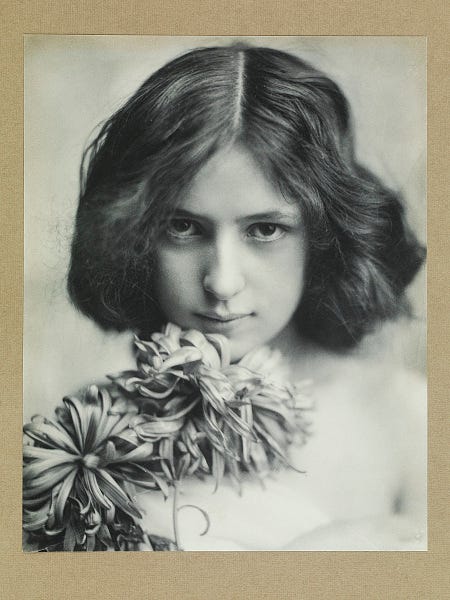
Florence Evelyn Nesbit was born in 1884 in Tarentum, Pennsylvania. After her father’s early death, her family fell into poverty. By her teens, Evelyn was modeling in New York City to help support her mother and younger brother. She posed for artists, magazine illustrators, and photographers—her delicate features and natural poise making her an instant favorite.
She became the face of the “Gibson Girl,” the embodiment of turn-of-the-century feminine ideal. Her image was printed across the country, even as she lived modestly and sometimes precariously behind the scenes.
But behind the glamor was a young girl navigating adult worlds with no protection and very little power.


