In the late 1800s, the American West shimmered with possibility. For men, it promised land, gold, power, and reinvention beyond the rigid class structures of the East. For women, it offered something quieter—but no less radical: room to breathe.
Distance from established society loosened old constraints. Towns sprang up faster than rules could fully take hold, and in these raw, growing communities, opportunity belonged not only to those with the strongest backs or deepest pockets, but to those bold enough to seize it. Women could own property, run businesses, employ others, and wield influence in ways that would have been far more difficult—if not impossible—back East.
The frontier did not erase judgment, but it softened its reach. Reputation still mattered, yet it was no longer the sole measure of worth. In the West, success could speak louder than respectability. A woman might be praised or condemned, welcomed or whispered about—and still thrive.
For some, this freedom took respectable forms. For others, it lived in shadowed rooms behind velvet curtains. And for many, it existed somewhere in between.
It was within this space—where ambition, survival, and independence collided—that women like Perle de Vere made their mark… and where fictional women like Kitty Carlisle and Arabella Pryce would come to understand just how thin the line between them truly was.
The Mystery of Perle de Vere
Few historical figures embody this desire for freedom more vividly than Perle de Vere, Colorado’s most famous madam—and one of its most enigmatic women.
Little is known about her early life. What is known is that she arrived in Denver at just fourteen or fifteen years old, calling herself “Mrs. Martin,” with no recorded husband and no clear explanation for why she left a comfortable Midwestern home. Perhaps there was scandal. Perhaps heartbreak. Perhaps ambition. The truth is lost—but the speculation remains irresistible.
What followed is clearer. She entered a life of prostitution.
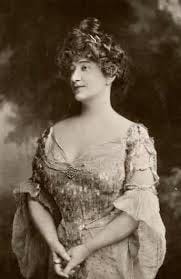
Soon after, she reinvented herself once again—this time as Perle de Vere—and proved herself a formidable businesswoman. Red-haired, strong-willed, impeccably dressed, and fiercely disciplined, she built a thriving enterprise while her family back East believed she worked as a dressmaker catering to society women. In reality, she was catering to society’s wealthiest men.
When Denver’s economy collapsed during the Silver Panic of 1893, Perle did what all great entrepreneurs do: she adapted. She moved to the booming gold camp of Cripple Creek, purchased property, hired staff, and opened a brothel that quickly became the most exclusive in town.