


In the nineteenth century, knowing your plants was the mark of a well-bred woman.
It was also, should she ever decide she needed it, one of the quietest ways in the world to commit murder.
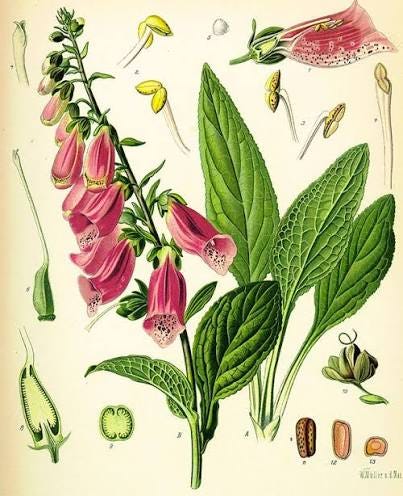
Botany was one of the very few sciences a nineteenth-century woman was actively encouraged to pursue. Engaging in other scientific pursuits, such as medicine or chemistry, raised eyebrows because that was “men’s work” and unladylike. But plants were considered safely feminine. So women pressed flowers and ferns and kept herbaria for their own scientific study. They learned the Latin names for flora and fauna, tended their gardens, and mastered the “language of flowers,” the practice of communicating secret messages and sentiments using specific plants and floral arrangements. This allowed people to express emotions like love, rejection, or longing that polite society deemed inappropriate to speak about in public. To know your plants was to be accomplished. It was practically a qualification for being a lady.
And it happens that the woman who knew her plants that well knew something else, too. She knew which of them could kill.


