


In the mid-1920s, a young woman named Louise Brooks left Kansas, danced in George White’s Scandals, and then joined the Ziegfeld Follies on 42nd Street. An infatuated Paramount producer named Walter Wanger signed her to a five-year contract after seeing her perform.
She was twenty years old.
Within a few years, Brooks would become one of the most iconic faces in silent film—her bobbed hair imitated by thousands of women, her naturalistic acting style so subtle that audiences at the time complained she wasn’t acting at all. But her independent spirit, her refusal to conform to the strict studio system, and walking away from Paramount Pictures over a salary dispute, resulted in her being blacklisted upon her return to the U.S. in the 1930s.
She spent years in poverty, working at a department store counter in Manhattan, all but forgotten. Film historians did not rediscover her until decades later.
Her director, the great G.W. Pabst, had warned her. He told her that her carefree approach to her career would end in dire poverty “exactly like Lulu’s”—the doomed character she had played in his masterpiece, Pandora’s Box. He was right.
Brooks was not destroyed by a lack of talent. She was destroyed because she refused to be grateful, and the industry had no use for a woman who wouldn’t cooperate.
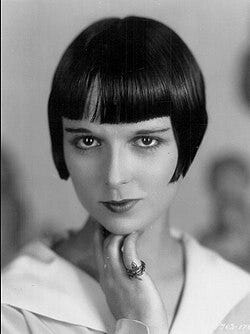
Between the Footlights and the Shadows
The Grace Michelle Mysteries move between two worlds that were, in the 1920s, colliding: Broadway and the silent film industry in Los Angeles. Both had their own power structures, their own politics, and their own ways of getting rid of people who became problems.
Broadway in the twenties ran on personal power. A producer could hire you over dinner and fire you before opening night. There were no union protections for most performers, and a bad word from the wrong person could end a career before it started. Chorus girls vanished from cast lists without explanation. And in Los Angeles, the film industry was even more volatile. Fan magazines simultaneously warned young women to stay away and printed glamorous photographs that lured them there.


